Ifugao


As of the most recent estimates, the Ifugao population is approximately 202,802 people.
GUIDANCE
Please note that the information provided below is aimed to give a very general, introductory overview. There may be variations in practices and beliefs among different sets of Ifugao communities that reside in the Philippines. Additionally, some of the language or materials presented may be rooted, unknowingly, with a colonial context or contain words, terms and phrases that may be inaccurate, derogatory, and harmful towards the people of the Philippines and its subsequent diasporic communities. The content and material presented within the Bahay Ugnayan website do not represent the staff or the owners' views; they are presented simply as information to be absorbed, interpreted, and corrected if necessary. All associated parties linked to Bahay Ugnayan hold strong anti-colonial, anti-racist positions and support the present and historically marginalized and disenfranchised communities of the Philippines.
LOCATION
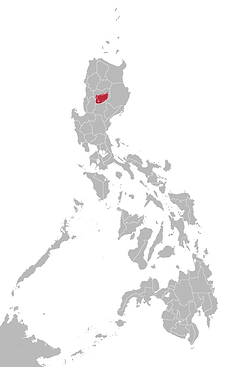
Historical: The Ifugao people have historically occupied the mountainous regions of northern Luzon in the Philippines. Their territory is known for its rugged terrain and is particularly famous for the Banaue Rice Terraces, a UNESCO World Heritage site.
Present: Today, the majority of the Ifugao population resides in the Ifugao province within the Cordillera Administrative Region of Luzon. Key municipalities include Banaue, Kiangan, Lagawe, and Mayoyao.
CURRENT POPULATION ESTIMATE
As of the most recent estimates, the Ifugao population is approximately 202,802 people.
LANGUAGE(S) SPOKEN
The primary language spoken by the Ifugao people is the Ifugao language, which is part of the Austronesian language family. Within the Ifugao language, there are several local languages including Tuwali, Ayangan, and Kalanguya.
BRIEF CONTEXT
The Ifugao are known for their intricate wet-rice agricultural systems, particularly the Banaue Rice Terraces, which have been cultivated for over 2,000 years. Historically, the Ifugao were able to resist Spanish colonization due to their remote and rugged terrain, which provided natural defenses against external forces. Their culture is deeply intertwined with their agricultural practices and spiritual beliefs, which have helped preserve their identity over centuries.
SPECIALIST ARTS & CULTURAL ASPECTS
The Ifugao are renowned for their unique cultural heritage, particularly their craftsmanship in weaving and woodcarving.
WEAVING
Ifugao weaving is a highly skilled craft that utilizes traditional backstrap looms to create intricate textiles. The most common materials include cotton dyed using natural sources. Traditional Ifugao textiles are known for their vibrant colors and geometric patterns, often symbolizing natural elements and ancestral spirits. The ikat technique, which involves dyeing the threads before weaving, is a common method used to create complex designs.
REFERENCES
- [National Commission for Culture and the Arts - Tinguian]
- [Philippine Statistics Authority - Indigenous Peoples of the Philippines]
- [Wikipedia - Itneg Language]
- [Philippine Textile Research Institute - Tinguian Weaving]
- [Cultural Center of the Philippines - Tinguian Weaving]
- [National Commission for Culture and the Arts - Tinguian Crafts]
- [National Commission for Culture and the Arts - Tinguian Dances]
- [Cultural Center of the Philippines - Tinguian Music]
- [National Commission for Culture and the Arts - Tinguian Beliefs]
IFUGAO ARTEFACTS
Many of the Ifugao collection is carved in narra. Here live the bulul, the seated rice-guardian deities of the terraces, alongside an entire material world of rice: storage baskets, wine dippers, spice servers and figure-handled spoons.
Ifugao is led by basketry, utilitarian objects and woodcarving. Its objects map the full cycle of highland rice culture, from granary to ritual, with the bulul at its spiritual centre.
FEATURED ITEMS
-
Bu’lul - carved anthropomorphic rice-guardian deity in narra wood
-
Hagabi (miniature) - miniature hagabi used as a spice server
-
Ulbung - jar-shaped rattan rice-storage basket
-
Gubu - cylindrical rice-wine dipper and strainer
-
Hapag - miniature ritual figure kept in the pu’namhan box
-
Pakko - wooden spoons with carved standing figures
MATERIALS AND TECHNIQUES
Traditional Ifugao weaving uses natural fibers such as cotton, dyed using natural plant-based dyes. The motifs often depict elements of nature, such as rice terraces, mountains, and animals, symbolizing the deep connection between the Ifugao people and their environment. The process includes six key steps: winding (munpudun), warping (munha’ud), tying (munbobod), dyeing (muntayyum), re-warping (munha’ud), and weaving (mun-abol). Common motifs include "Tinawon" (rice), "Bulul" (rice god), and various geometric patterns representing community and spirituality.
WOODCARVING
Woodcarving is another significant aspect of Ifugao culture. They create anthropomorphic wooden figures known as "bu’lul" which are rice guardians believed to protect the crops and bring prosperity. These carvings are often detailed and hold spiritual significance, playing a central role in various rituals and ceremonies.
RICE TERRACES
The Banaue Rice Terraces are not only a marvel of agricultural engineering but also a testament to the Ifugao's sustainable farming practices and their deep connection to the land. The terraces require meticulous maintenance and a profound understanding of irrigation techniques that have been passed down through generations.
SPECIALIST ANTHROPOLOGICAL BELIEFS
The Ifugao have a rich spiritual life that includes various rituals and ceremonies aimed at ensuring harmony between humans, nature, and the spiritual world:
Rituals and Ceremonies:
Ifugao rituals, known as "bfuni" involve chanting, offerings, and animal sacrifices to appease deities and ancestral spirits. These rituals can range from agricultural rites to healing ceremonies and are conducted by community priests called "mumbaki". The spiritual practices are deeply embedded in their daily lives and agricultural cycles.
OMENS AND DIVINATION
The Ifugao practice various forms of divination, including reading the bile sacs of sacrificed animals or interpreting bird calls, to guide important decisions and predict future events. These practices reflect their belief in the interconnectedness of all things and the influence of spiritual forces on their lives.


